
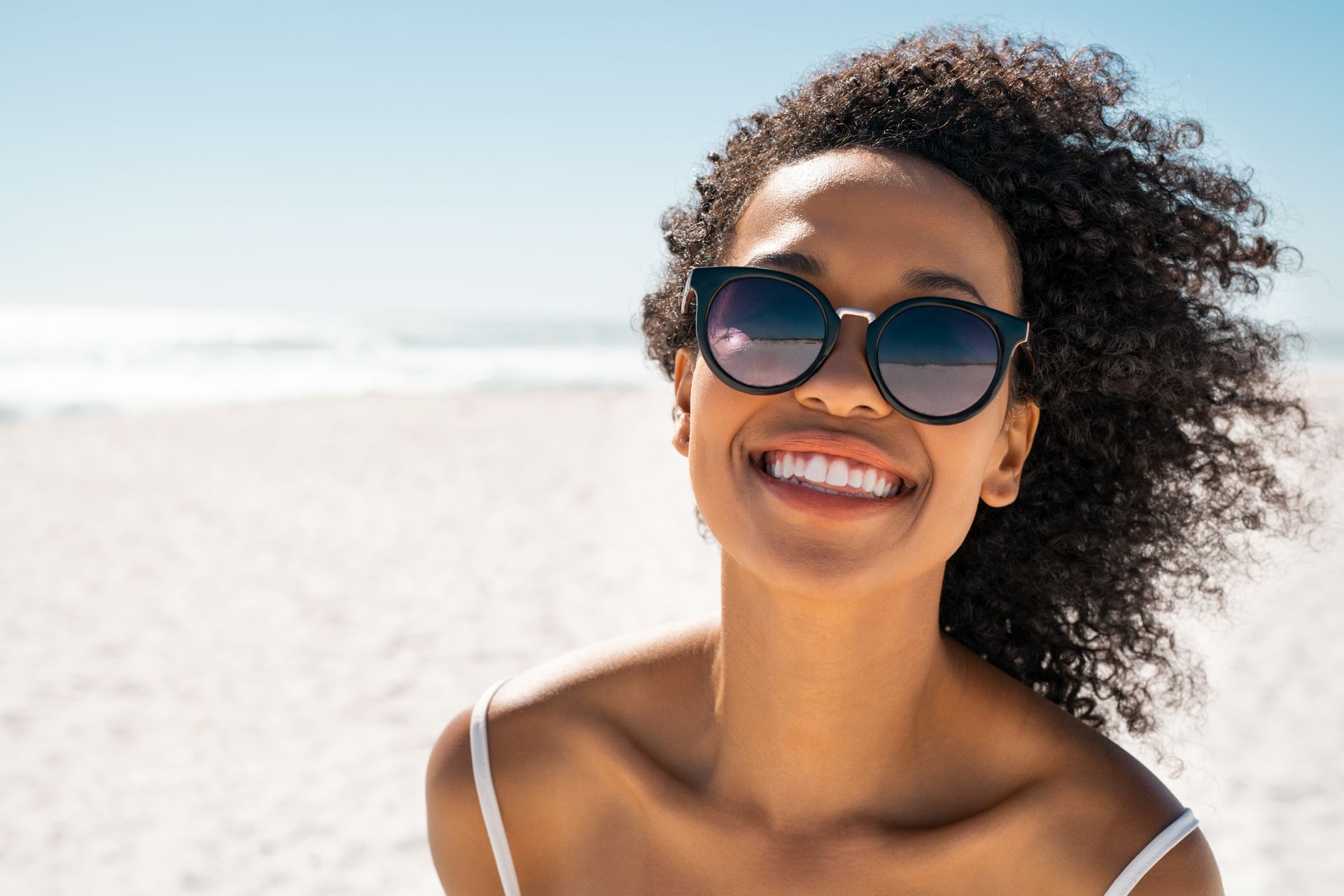
If you live anywhere near the Woy Woy Peninsula, sunglasses aren't really optional. Between the glare bouncing off the water at Ettalong Beach and those long, bright Central Coast summers, a good pair of sunnies is one of the simplest things you can do for your eye health, not just your outfit. But here's the thing: most people choose sunglasses the same way they choose a hat. Does it look good? Does it fit? Sold. The problem is that sunglasses have a job to do, and a lot of the pairs on sale at the servo or the chemist aren't actually doing it. Here's what to look for next time you're shopping. 1. Check the UV rating, not just the tint A dark lens with no UV protection can actually be worse for your eyes than no sunglasses at all. Dark lenses trick your pupils into opening wider (because less visible light is getting through), which means more harmful UV radiation reaches the back of your eye if the lenses aren't properly rated. Look for glasses labelled UV400 or that block 99–100% of UVA and UVB rays . In Australia, sunglasses sold for general use also need to meet the Australian Standard AS/NZS 1067. If a pair doesn't list any UV information, that's a red flag, not a bargain. 2. Consider polarised lenses if you're near water or driving a lot Polarised lenses filter out horizontal glare, the kind that bounces off water, wet roads, and car bonnets. If you're often on the water, fishing off the jetty, or driving along Ocean View Road with the afternoon sun in your eyes, polarised lenses make a genuine difference to comfort and safety, not just clarity. The one thing to know: polarised lenses can occasionally make it harder to read some digital screens or dashboard displays, so if that matters for your day-to-day, it's worth trying a pair before committing. 3. Lens colour changes what you see, not just the vibe Grey lenses are the most neutral: true-to-life colour, good all-rounder for everyday wear. Brown/amber lenses boost contrast, which is great for variable light (cloudy-to-sunny days) and driving. Green lenses sit in between — good contrast with more natural colour balance. Mirrored coatings cut extra glare and are popular for very bright, reflective conditions like open water or snow. 4. Fit matters more than most people think Sunglasses that gap at the sides let UV light sneak in from the edges, even if the lenses themselves are excellent. Wraparound styles or a closer-fitting frame give better all-round coverage, which is especially worth considering if you're outdoors a lot for work or sport. 5. If you wear prescription glasses, don't skip sun protection A lot of people who wear prescription glasses just go without sunglasses altogether, or rely on clip-ons that never quite fit right. Prescription sunglasses have come a long way, from full prescription tints to photochromic lenses that darken automatically outdoors and clear back up inside. It's worth asking about what suits your prescription and your lifestyle rather than assuming you're stuck choosing between seeing clearly and protecting your eyes. 6. Don't forget the kids Children's eyes let in more UV radiation than adult eyes because their natural lens filtering isn't fully developed yet. If your kids are spending their school holidays at the beach or the pool, a properly UV-rated pair of kids' sunglasses is just as important as sunscreen and a hat.
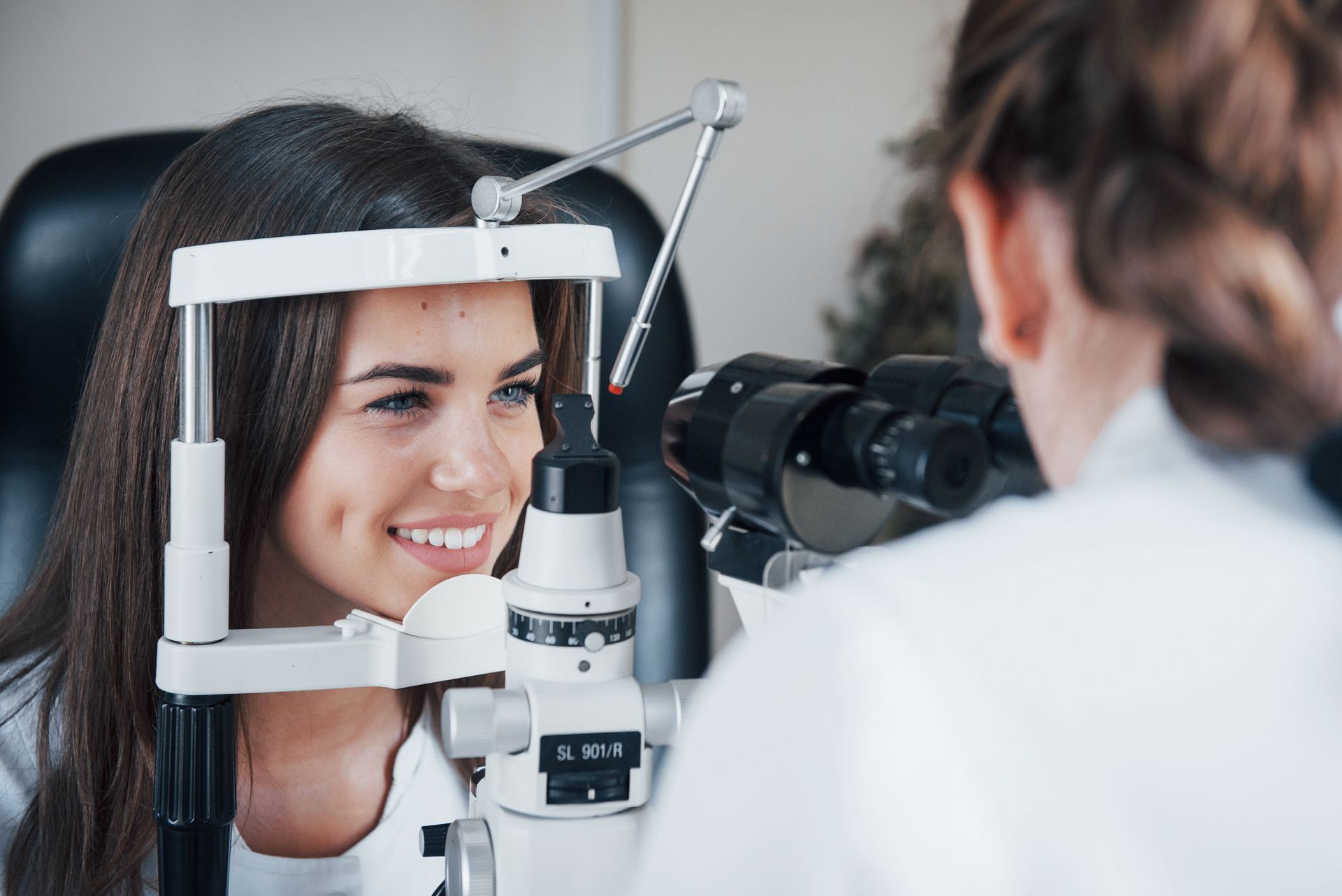
A recent newspaper investigation has put a spotlight on something many Australians have quietly suspected for years: that a trip to the optometrist at some of the country's biggest optical chains might involve more than just your eye health. What the investigation found In July 2026, journalists at The Sydney Morning Herald and The Age published the results of an investigation into working conditions at Australia's largest optical chains, including Specsavers, OPSM and Bailey Nelson. Drawing on internal documents and messages from staff, the reporting alleged that: Optometrists were expected to hit "conversion" targets, the proportion of eye exams that result in a same-day sale of glasses, with some staff warned that pay or future bookings could be affected if targets weren't met. Consultation times were compressed and clinical appointments were sometimes deprioritised during busy sales periods.. Some staff described being encouraged to look for conditions patients hadn't raised themselves, in order to bill a Medicare item. The chains involved have pushed back on parts of the reporting. OPSM has said its optometrists retain full clinical autonomy and that treatment decisions are made solely in patients' best interests. Specsavers has said conversion is only one of several things it measures and that it does not mandate sales targets, though other reporting has pointed to contracts and internal materials that reference specific conversion benchmarks tied to bonuses. Around the same time, the Health Services Union has been pursuing a separate case through the Fair Work Commission, arguing that optometrists working in these settings should be more clearly recognised and protected as health professionals under workplace law, pointing to shrinking consultation times and workforce dissatisfaction as evidence of a system under strain. Why this matters An eye test isn't just about walking out with a new pair of glasses. It's a clinical health check, one of the few routine appointments that can pick up early signs of glaucoma, diabetic eye disease, macular degeneration, and occasionally more serious conditions elsewhere in the body. When commercial targets sit alongside clinical decision-making, patients are entitled to ask whose interests are being served in that room. To be clear: this isn't a suggestion that individual optometrists at these chains are acting in bad faith. Many are doing their best for patients inside systems that weren't designed by them. But the structure of the business — where the same company owns the clinic, the product, and the KPI dashboard, creates a pressure that shouldn't exist in a health consultation. Why we do things differently Bay Optical has been independently owned and operated in Ettalong Beach since 2003. There's no head office setting conversion rates, no bonus structure tied to how many pairs of glasses we sell this week, and no pressure on our optometrist, Simon Della Vedova, or the rest of our team to hit a sales number during your appointment. That means: Your consultation time is set by clinical need, not a roster target. If you don't need new glasses, we'll tell you that. Recommendations for treatments or add-ons are based on your eyes, not a KPI. We think that's exactly what an eye test should be, and always has been, for the 23 years we've been part of this community. If you've got questions about your own eye health, or it's simply been a while since your last check-up, we'd love to see you. Book an appointment with Bay Optical, Ettalong Beach.New Paragraph
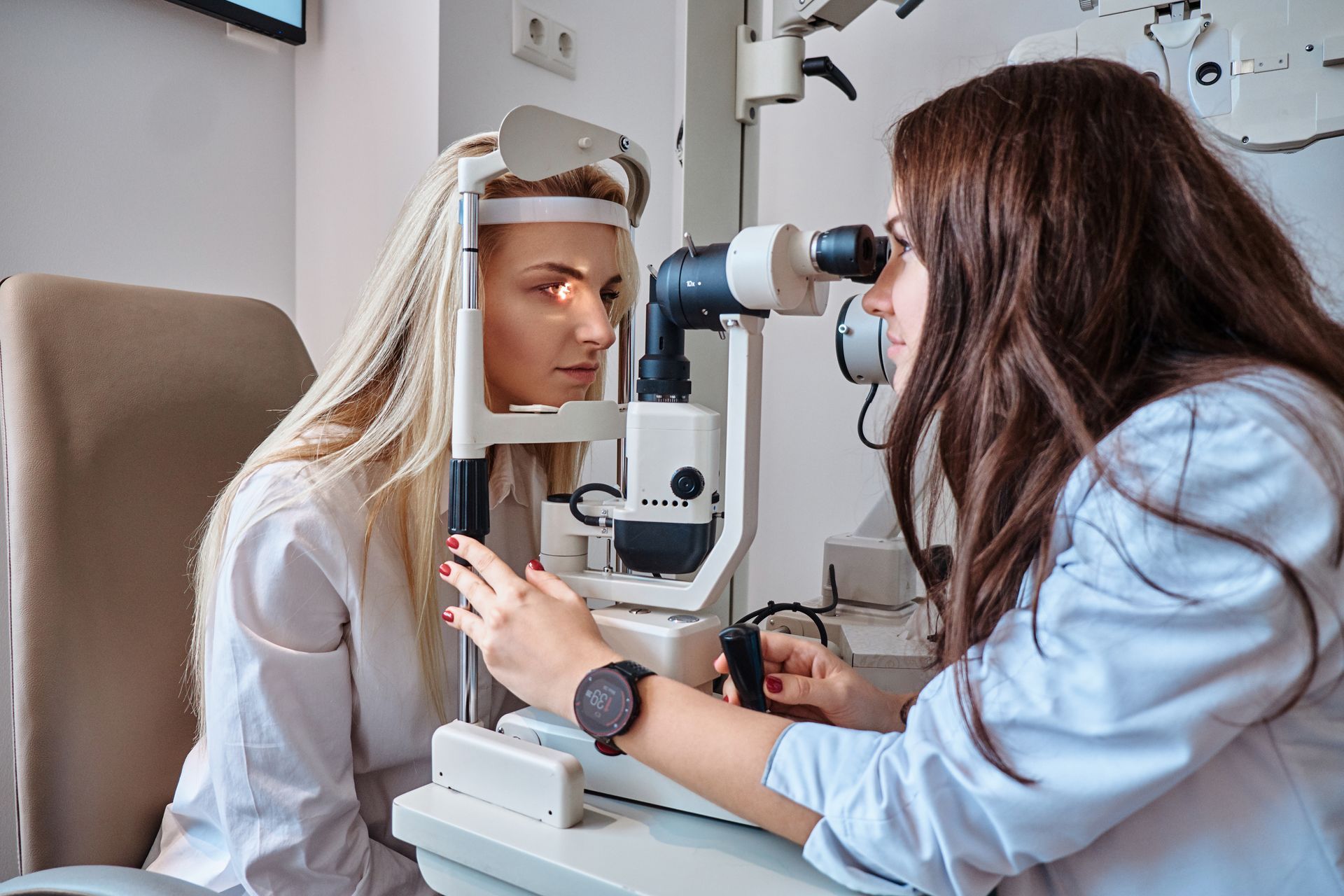
Wondering what a comprehensive eye exam covers? Licensed optometrists serving Umina Beach explain each stage. Book with Bay Optical today.
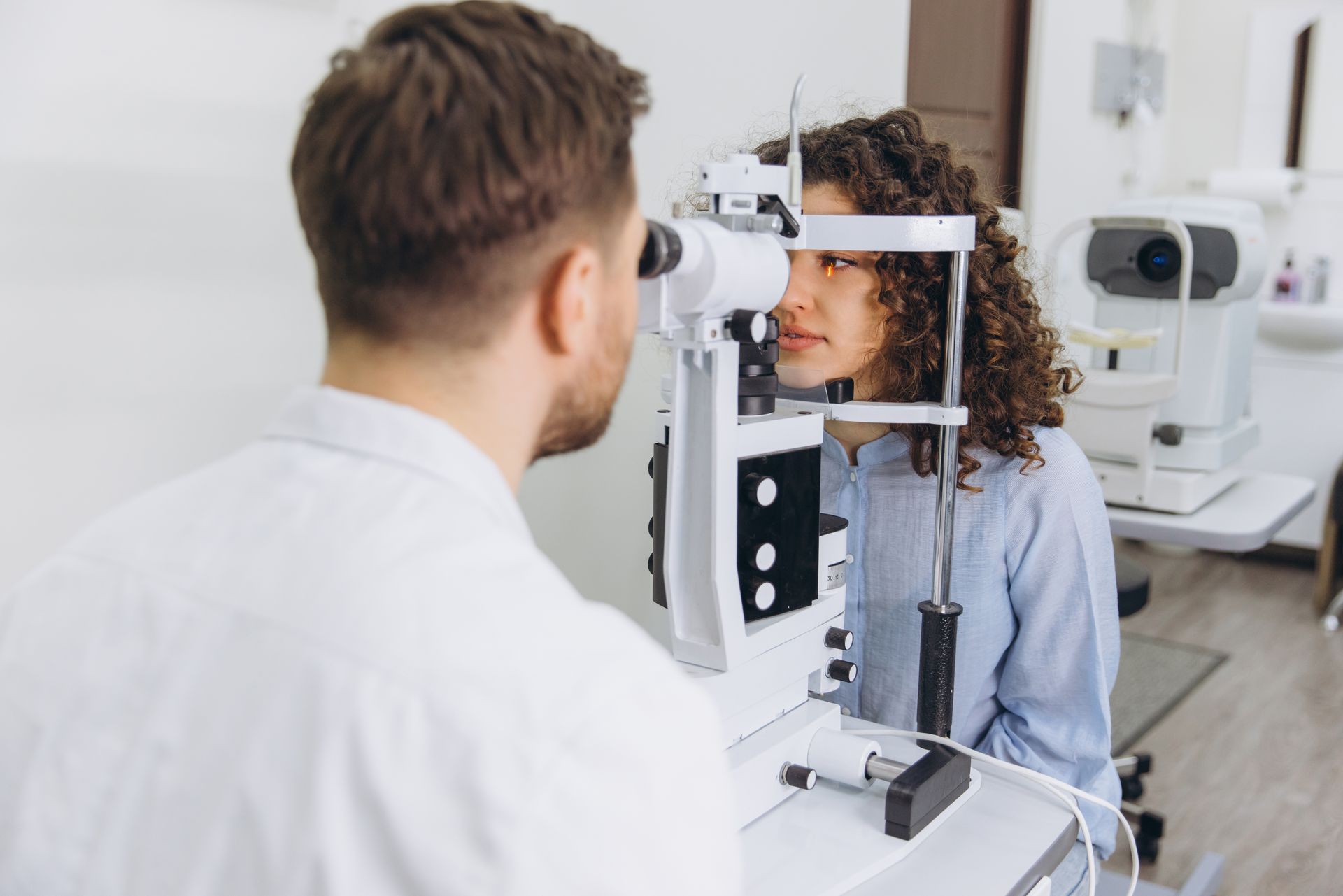
Autumn glare on roads is a real driving hazard. Get an optometrist vision screening serving Patonga, NSW, at Bay Optical. Call 02 4342 3555 today!
This is a subtitle for your new post
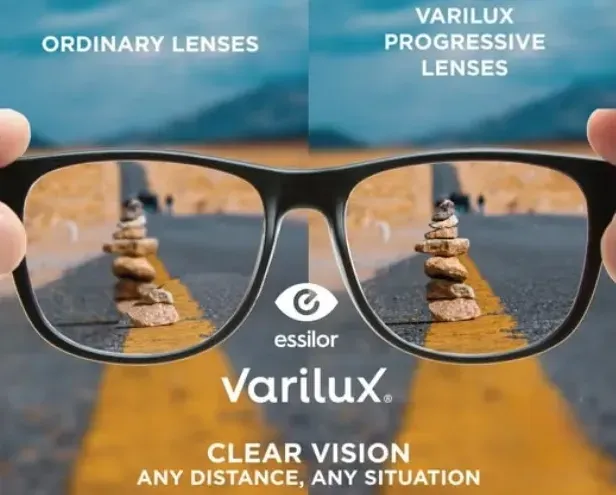
For total eye health solutions in Ettalong, visit Bay Optical. From vision problems to dry eyes, we treat it all. Call 02 4342 3555 to book an appointment.
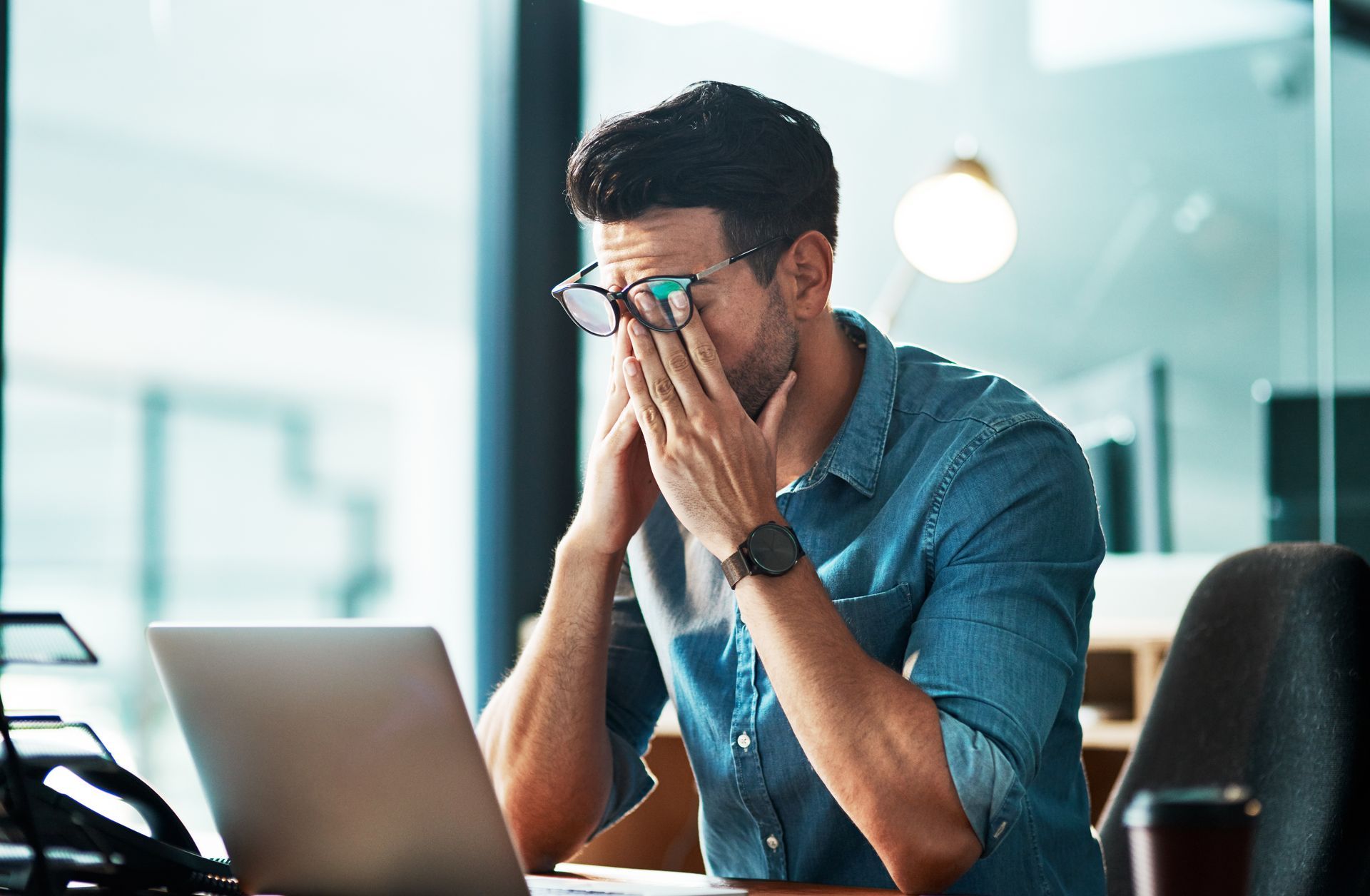
Protect your eyes from digital strain and dry eye. Bay Optical, expert eye doctor serving the Central Coast, NSW. Call 02 4342 3555 today for advanced care.

For total eye health solutions in Ettalong, visit Bay Optical. From vision problems to dry eyes, we treat it all. Call 02 4342 3555 to book an appointment.
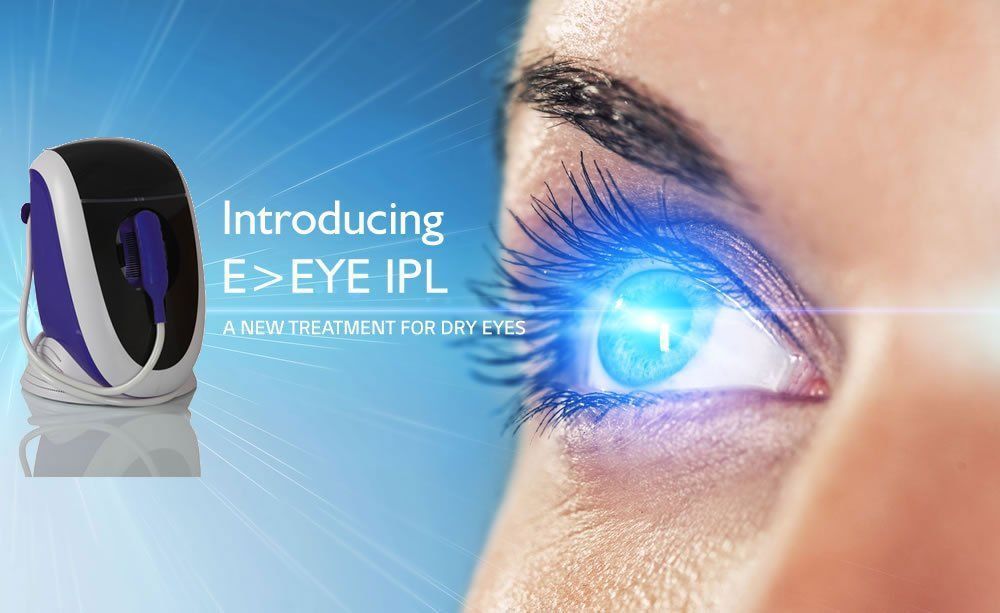
For total eye health solutions in Ettalong, visit Bay Optical. From vision problems to dry eyes, we treat it all. Call 02 4342 3555 to book an appointment.

For total eye health solutions in Ettalong, visit Bay Optical. From vision problems to dry eyes, we treat it all. Call 02 4342 3555 to book an appointment.